Rastatt, 27 November 2025
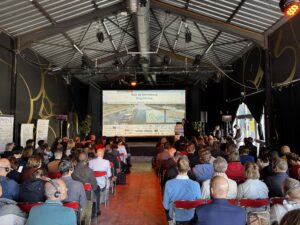
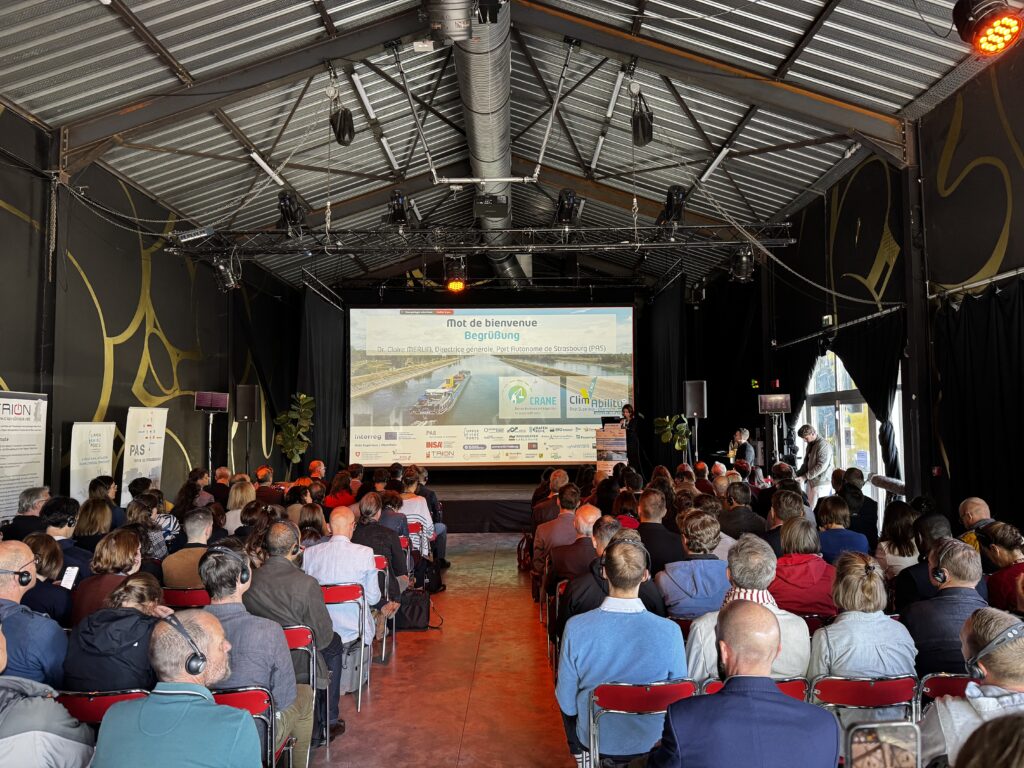
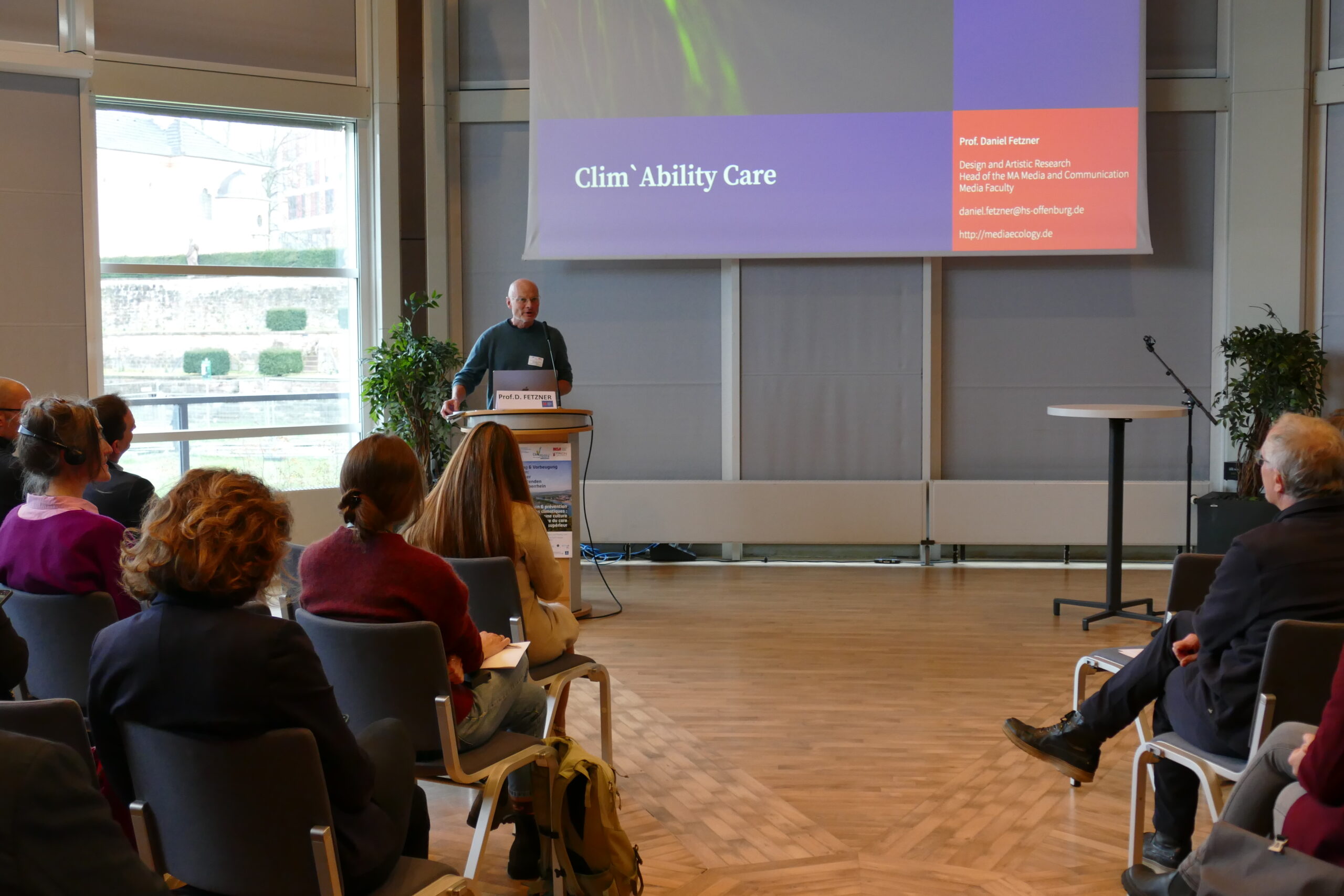
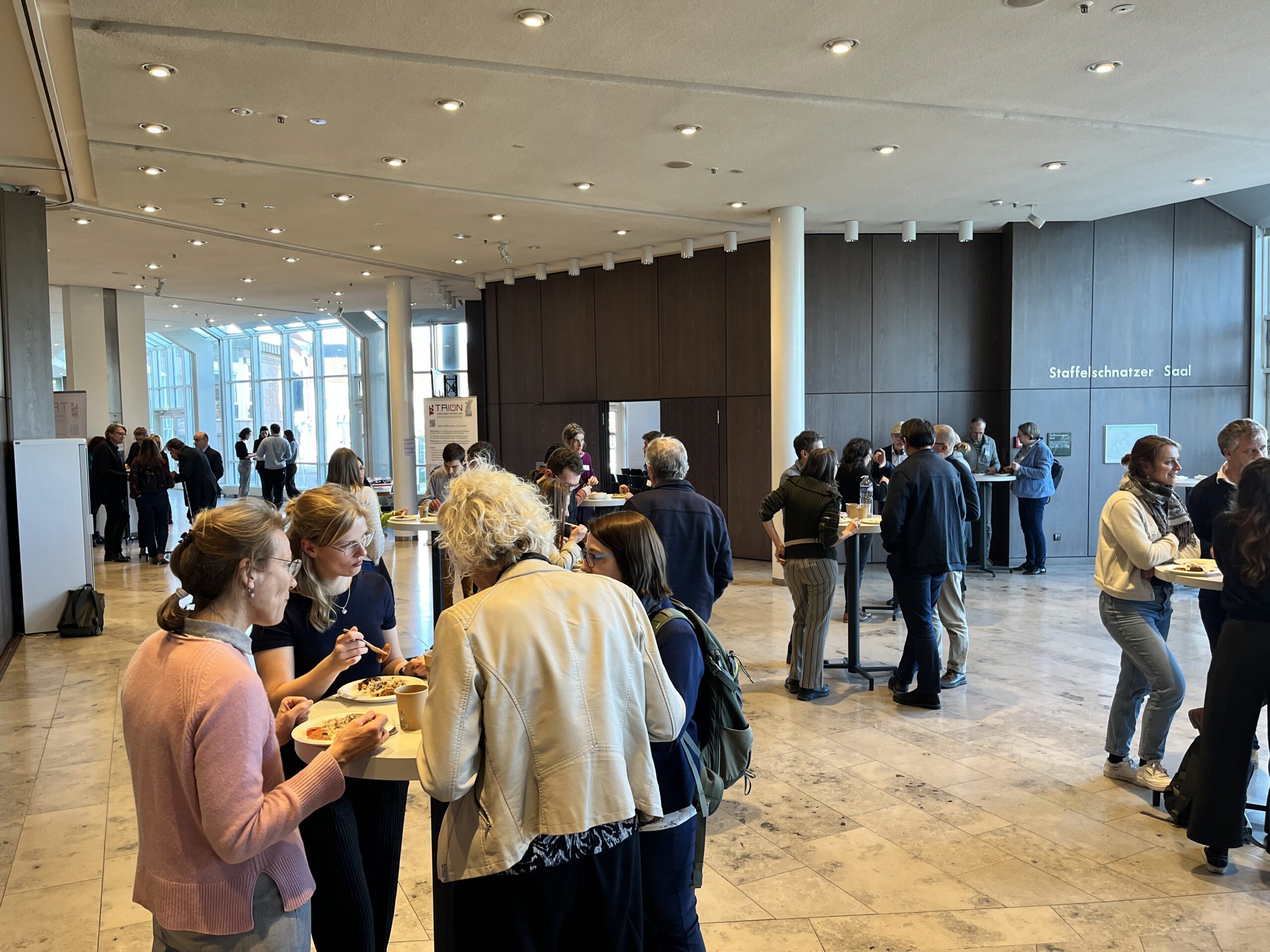
The mid-term conference of the Interreg Upper Rhine – Clim’Ability Care project took place on 27 November 2025 at the BadnerHalle in Rastatt. The event brought together all project partners as well as additional experts from academia, local authorities, public institutions, and the private sector to present the project’s progress and strengthen cross-border cooperation on risk culture and climate change adaptation strategies in the Upper Rhine region.
Climate impacts and adaptation opportunities
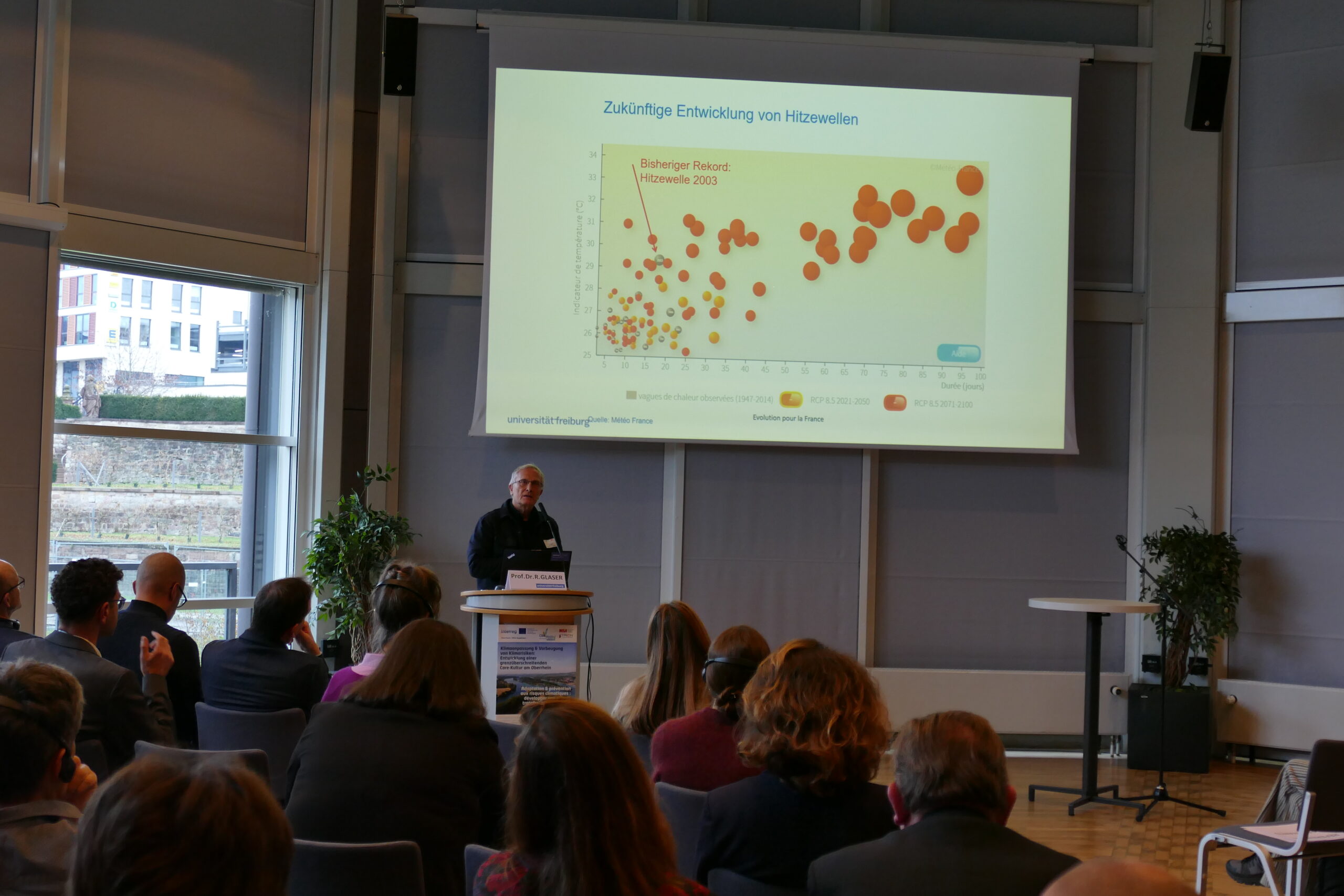
The morning session provided an overview of the main climate impacts affecting the region:
• intensifying heatwaves in major cities,
• vulnerabilities and adaptation strategies in agriculture,
• adaptation possibilities for the tourism sector,
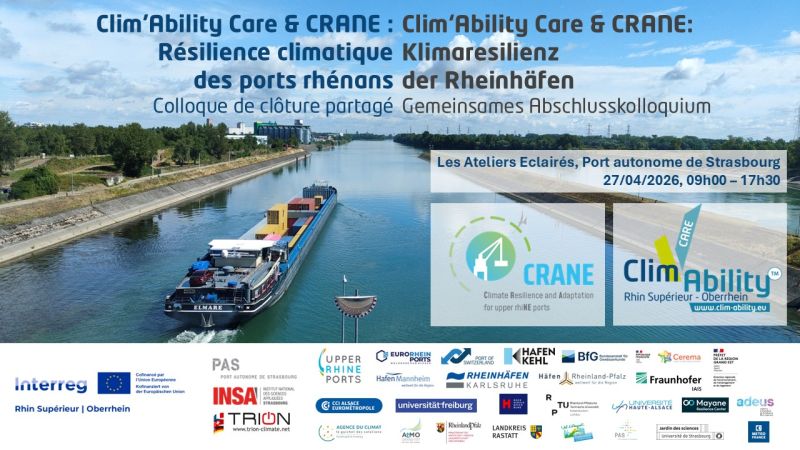
• Rhine ports facing climate-related hazards: managing low and high water levels.
These contributions underscored the importance of better integrating climate risks into territorial policies and planning.
Project progress and territorial perspectives
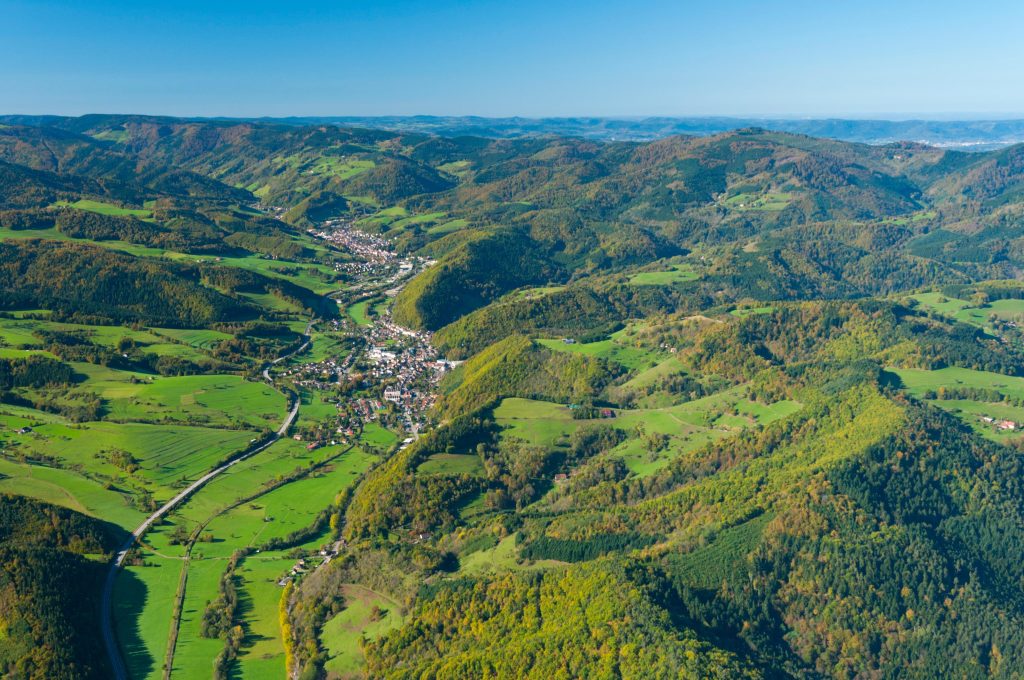
The afternoon session presented developments in the project’s pilot sites and explored links between critical infrastructures and territorial governance. Case studies from the mid-mountain regions of Val d’Argent and Landau, as well as flood management on the Ill and Murg, illustrated the diversity of challenges in the Upper Rhine and the methodological tools developed by the project partners.
The discussions highlighted the need for a systemic approach to risk, mobilising scientific expertise and territorial actors to support climate change adaptation.
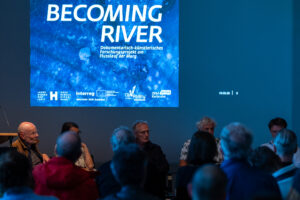
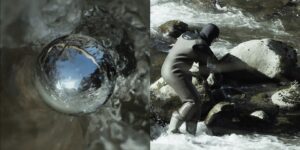
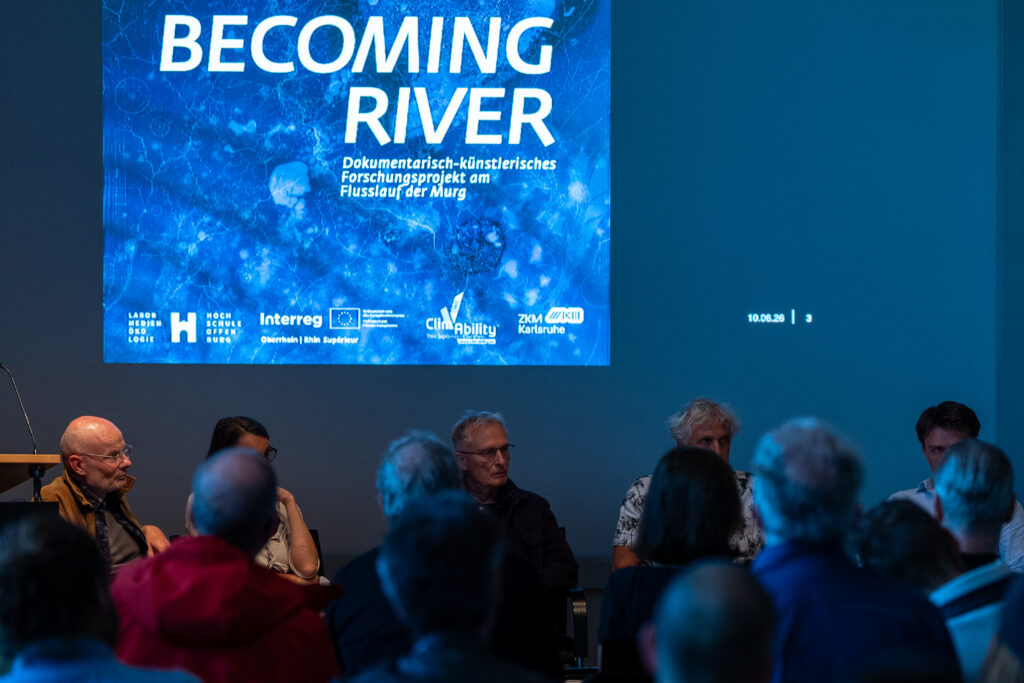
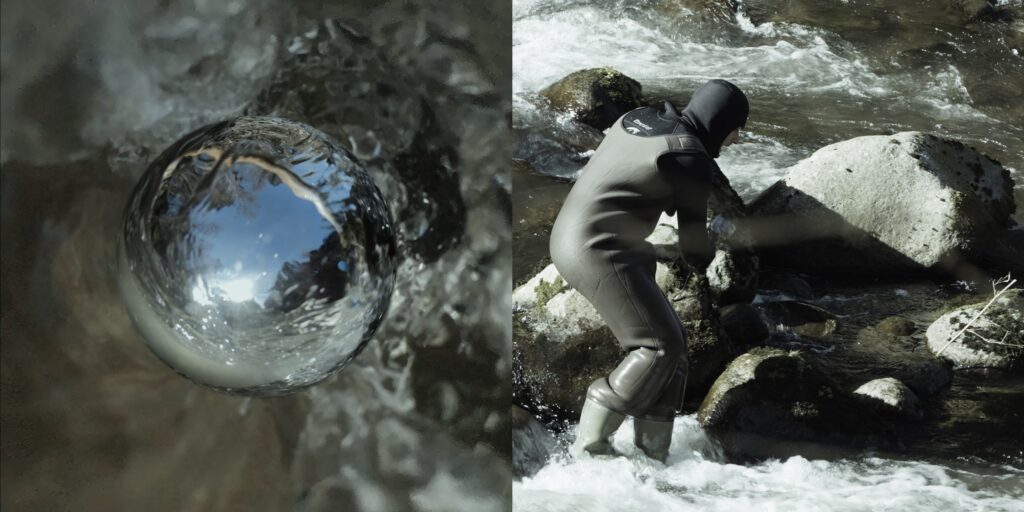
The conference concluded with the screening of the short film Becoming River, produced by Hochschule Offenburg, which invites reflection on the relationships between societies, river landscapes, and environmental dynamics in the pilot site of the Murg Valley.
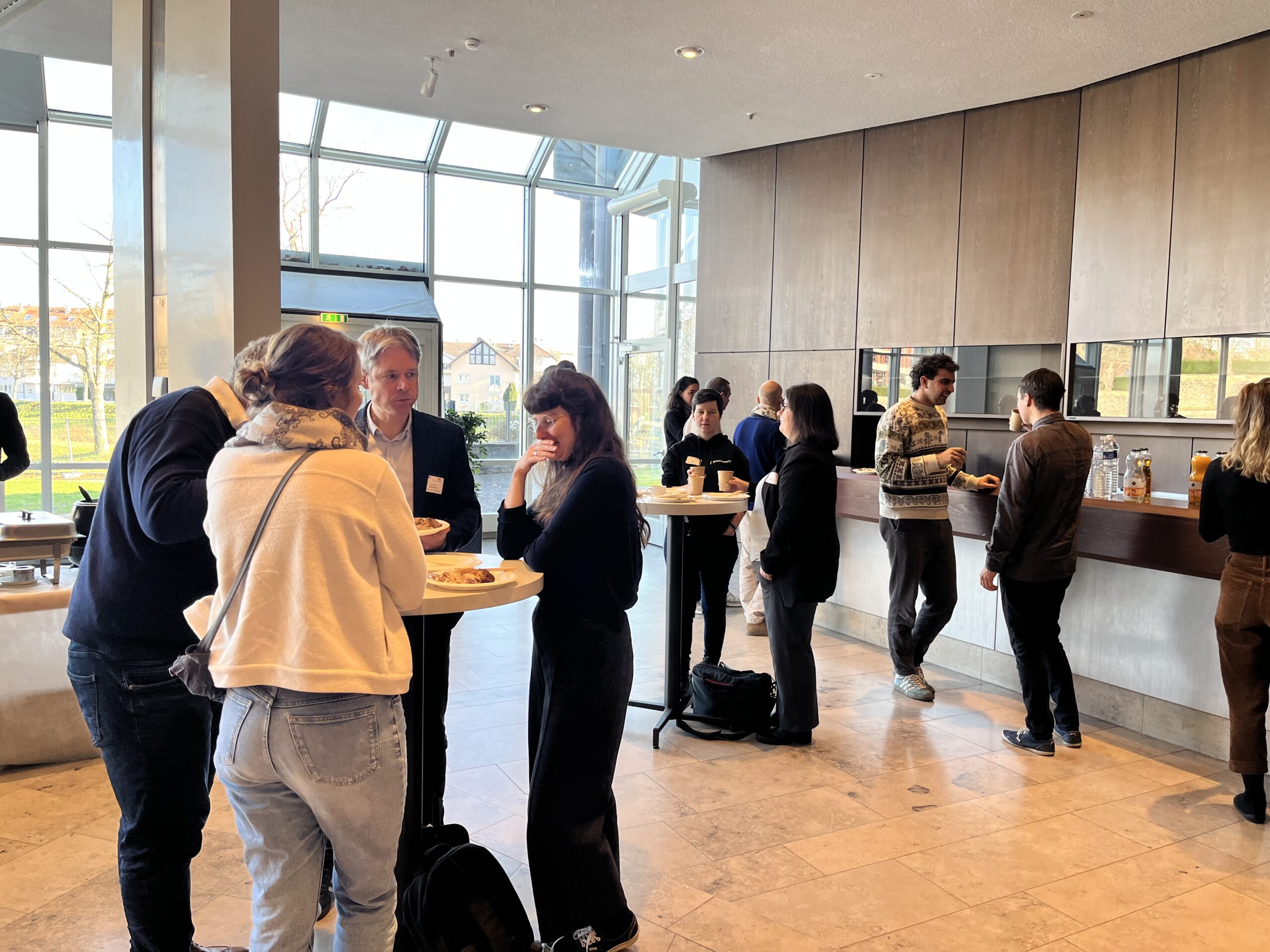
Impressions:
Acknowledgements
The Clim’Ability Care consortium warmly thanks all participants for the quality of discussion, as well as the many institutions committed to building a more resilient Upper Rhine region.
We also extend our gratitude to TRION-Climate, which organised the conference, and to Interreg Upper Rhine, whose support is essential to the implementation of the project.